
Your child can solve almost every question in the ten-year series at home, one by one, without a timer. Yet in the real O-Level Math exam, they run out of time, rush the last few questions, and lose marks they should have earned. If this sounds familiar, the problem is usually not understanding. It is exam stamina, and it is one of the most overlooked parts of O-Level Math preparation in Singapore.
Doing questions one by one is not the same as sitting a full paper
Most revision looks like this: pick a topic, do a few questions, check the answers, take a break, repeat. That is a good way to learn the content, and many students become genuinely good at it. But it trains the brain to work in short sprints with rest in between.
An O-Level Math paper asks for something very different: around two hours and fifteen minutes of continuous thinking. Reading, planning, calculating, checking, question after question, with no pause and no phone. That is an endurance event, and like any endurance event, it cannot be trained by sprints alone.
Where the marks actually go
When students run out of steam near the end of a paper, the losses follow a predictable pattern:
- The last few questions are rushed, so careless slips appear exactly where the hardest marks sit.
- Questions are left blank even though the student knew the method, simply because time ran out.
- Checking disappears. Small arithmetic errors that a fresh mind would catch go unnoticed.
- Presentation falls apart under pressure, which quietly costs method marks.
The painful part: this is not a knowledge problem, so more topic practice does not fix it. Only timed, full-length practice does.
Why this happens: stamina, not ability
At home, without a timer, the brain works at a relaxed pace. There is no urgency, so there is no fatigue. In the exam hall, the same brain must sustain focus for the full 2 hours 15 minutes, and cognitive fatigue is real. Concentration dips, working memory slows, and the student compensates by rushing, which leads directly to the errors above.
The encouraging news is that stamina responds to training in the same way fitness does. A student who has sat several full papers under timed conditions walks into the real exam knowing exactly what the pressure feels like, and their pacing is automatic rather than guessed.
How to build exam stamina at home
Here is the progression we recommend to parents, spread over the final months before the O Levels:
Month 1: timed sections
Pick one section of a past paper and set a strict time limit for it, with the phone in another room.
Mark it afterwards and note where time went: which questions ate the minutes.
Repeat weekly until hitting the section time limit feels normal, not stressful.
Month 2: full papers in one sitting
Move to complete past papers, done start to finish in one sitting, no breaks and no checking solutions mid-paper.
Simulate real rules: no snacks, no music, no asking anyone for help.
Review the paper afterwards and record the exact minute the rushing began. That minute is the training target.
Month 3: exam conditions
Sit papers at the same time of day as the real exam, with the same stationery.
Practise the pacing plan: roughly one minute per mark, with a planned check-back pass at the end.
By now, the full paper should feel routine. That familiarity is what protects marks on exam day.
Common mistakes when practising timed papers
Practising with phone breaks
Every pause to check a message resets the concentration clock. A two-hour paper done in six fragments does not train stamina at all. Keep the phone in another room for the whole sitting.
Checking the solution mid-paper
The moment a student looks up an answer halfway through, the paper stops being an exam. Struggle is the point. Save every unresolved question for the review, not the middle.
Marking time but not studying it
Writing a start and end time is not enough. Students should know which question consumed the extra minutes, and whether it was worth it. That is where pacing strategy comes from.
Only practising comfortable topics
Timed practice on favourite topics feels good but teaches nothing new about pressure. Mix in the weak topics precisely because they slow the student down, which is what will happen in the real paper too.
How we train this at AZKEN
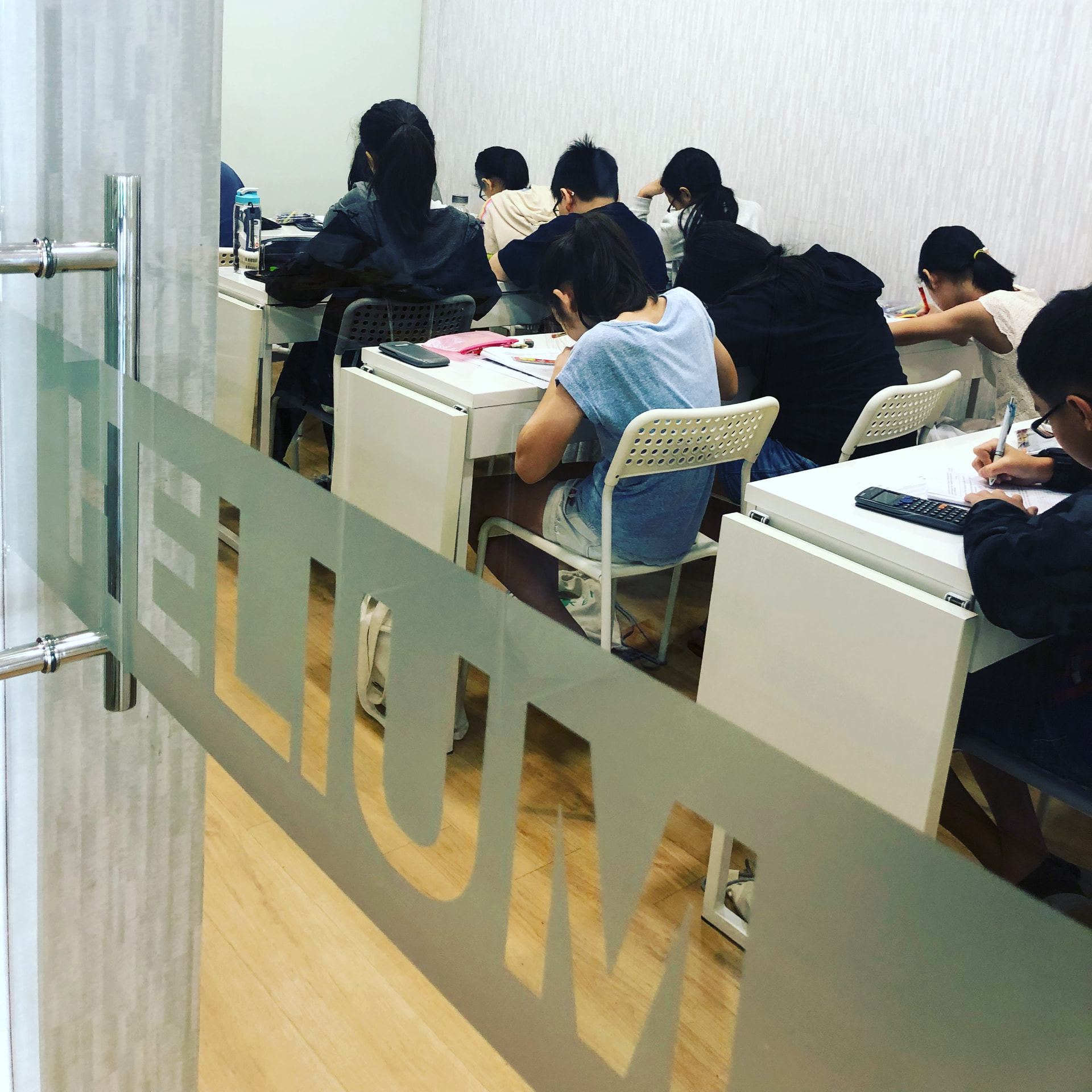
Stamina is difficult to train alone at a desk, which is why we build it into our programme. From about three months before the O Levels, our Secondary 4 Math classes sit full trial papers in one sitting, under exam conditions. Students discover their own pacing on practice days rather than on the real one, and every paper is reviewed question by question, including where the minutes went.
If your child understands the material but keeps running out of time, this is a solvable problem, and the earlier it is trained, the calmer exam day becomes. Have a question about your child's Math preparation? WhatsApp us at 8166 1212 or book a trial class through our Schedule page.
Want personalised guidance for your child?
Every student learns differently. At AZKEN, Mr Ken Lim designs personalised learning plans that address your child's specific needs and goals.
Mr Ken Lim
Founder & Lead Educator, AZKEN
With over a decade of experience teaching Science and Mathematics in Singapore, Mr Ken Lim has helped hundreds of students build confidence and achieve their academic goals. He believes every child can excel with the right guidance and encouragement.